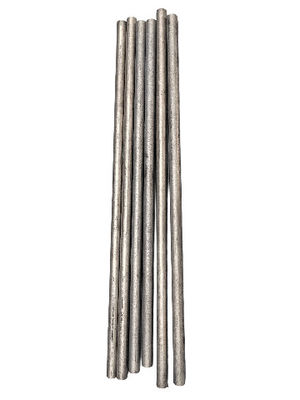
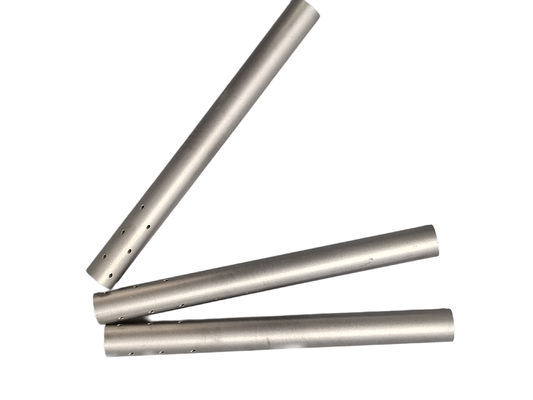
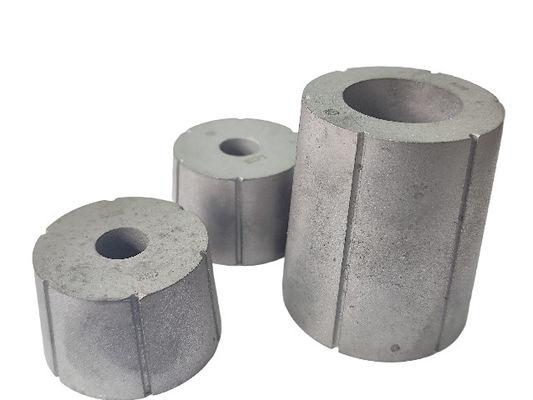
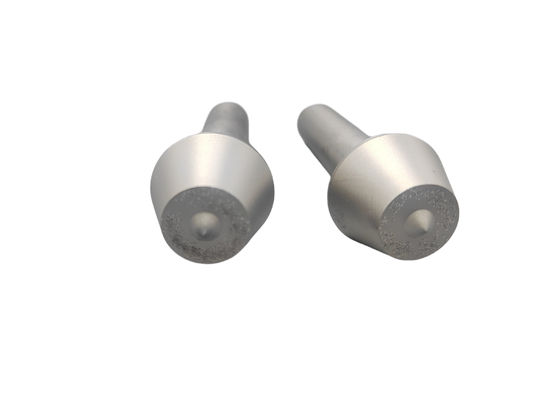
লক্ষ লক্ষ টাকার একটি নির্ভুল যন্ত্রাংশ, যার কার্যকারিতা দুর্বল হয়ে পড়েছে—অথবা আরও খারাপ, ভুল উপাদান নির্বাচনের কারণে যন্ত্রাংশ ক্ষতিগ্রস্ত হয়েছে। এই পরিস্থিতিটি কাল্পনিক নয়, বরং উৎপাদন শিল্পে একটি সাধারণ সমস্যা। টাংস্টেন কার্বাইড এবং উচ্চ-গতির ইস্পাত (এইচএসএস), এই দুটি সাধারণ টুল উপাদান, উভয়েই নিজস্ব সুবিধা এবং সীমাবদ্ধতা নিয়ে আসে। কীভাবে সেরা নির্বাচন করা যায়? এই বিশ্লেষণটি সিদ্ধান্ত গ্রহণে সাহায্য করার জন্য ডেটা-ব্যাকড তুলনা প্রদান করে।
১. উপাদানের গঠন এবং মূল বৈশিষ্ট্য: পার্থক্যগুলো বোঝা
টাংস্টেন কার্বাইড: যৌগিক পাওয়ার হাউস
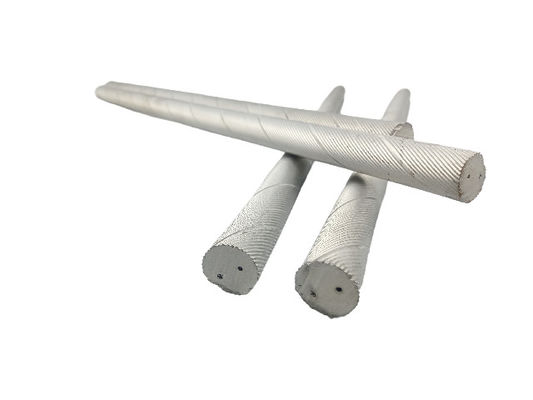
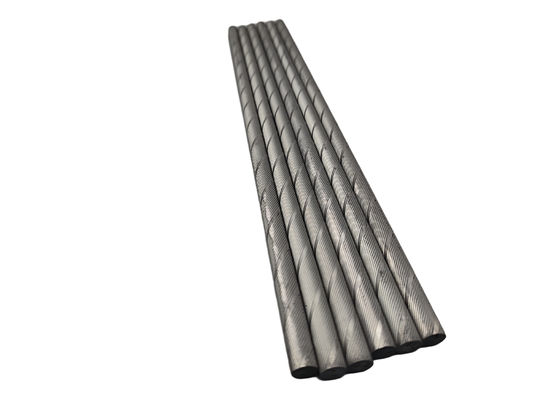
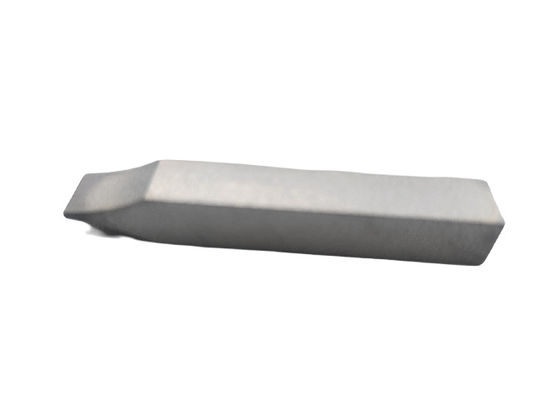
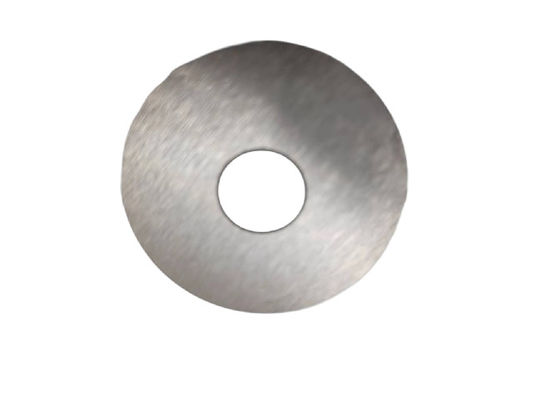
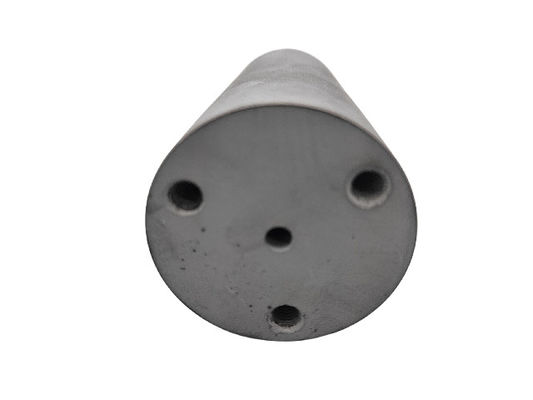
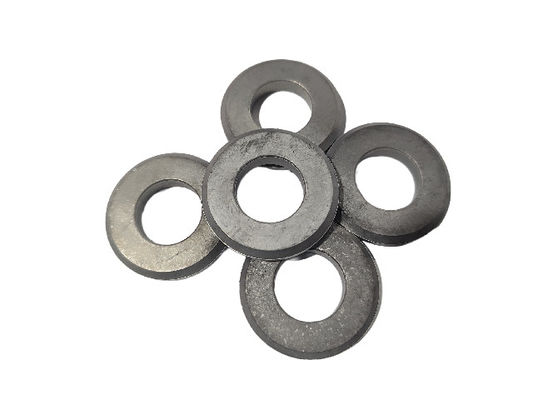
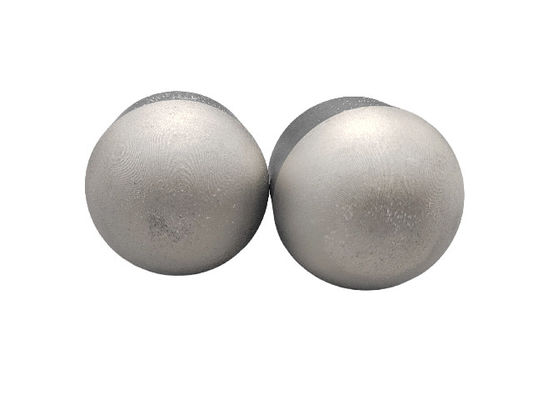
টাংস্টেন কার্বাইড কোনো বিশুদ্ধ ধাতু নয়, বরং একটি যৌগ যেখানে টাংস্টেন কার্বাইড (WC) কণা অসাধারণ কঠোরতা এবং পরিধান প্রতিরোধ ক্ষমতা প্রদান করে, যেখানে কোবাল্ট (Co) বাইন্ডার দৃঢ়তা সরবরাহ করে। কর্মক্ষমতা বাড়ানোর জন্য টাইটানিয়াম কার্বাইড (TiC) বা ট্যানটালাম কার্বাইড (TaC)-এর মতো অতিরিক্ত কার্বাইড যোগ করা যেতে পারে।
-
কঠোরতা:
HRC 69–81 এর মধ্যে, এমনকি 900–1000°C তাপমাত্রাতেও HRC 60 বজায় রাখে।
-
পরিধান প্রতিরোধ ক্ষমতা:
দীর্ঘস্থায়ীত্ব, যা টুলের প্রতিস্থাপনের ফ্রিকোয়েন্সি কমায়।
-
ক্ষয় প্রতিরোধ ক্ষমতা:
কঠিন পরিবেশে নির্ভরযোগ্যভাবে কাজ করে।
-
শক্তি:
WC কণার আকার এবং বাইন্ডার অনুপাত অপটিমাইজেশনের মাধ্যমে সমন্বয়যোগ্য।
উচ্চ-গতির ইস্পাত: ঐতিহ্যবাহী আপগ্রেড
এইচএসএস হল কার্বন ইস্পাত যা টাংস্টেন, মলিবডেনাম, ক্রোমিয়াম এবং ভ্যানাডিয়াম দিয়ে তৈরি, যা কঠোরতা, পরিধান প্রতিরোধ ক্ষমতা এবং তাপ সহনশীলতা বাড়ায়।
-
কঠোরতা:
ঘরের তাপমাত্রায় HRC 62–65, যা 600°C-এ HRC 48.5-এ নেমে আসে।
-
দৃঢ়তা:
আঘাত বা কম্পনের সময় চিপিং প্রতিরোধ করে।
-
তাপ প্রতিরোধ ক্ষমতা:
প্রচলিত টুল স্টিলের চেয়ে ভালো পারফর্ম করে, তবে কার্বাইডের চেয়ে পিছিয়ে থাকে।
২. কর্মক্ষমতা তুলনা: অ্যাপ্লিকেশনের সাথে উপাদানের মিল
কঠোরতা এবং পরিধান প্রতিরোধ ক্ষমতা
টাংস্টেন কার্বাইড এখানে প্রধান, যা এটিকে কঠিন, ঘষিয়া তুলিয়া ফেলার মতো উপাদানের (যেমন, শক্ত ইস্পাত, ঢালাই লোহা) এবং উচ্চ-গতির কাটার জন্য আদর্শ করে তোলে। ডেটা দেখায় যে শক্ত ইস্পাত মেশিনিং করার সময় কার্বাইড টুলগুলি এইচএসএস-এর চেয়ে ৫–১০ গুণ বেশি স্থায়ী হয়।
দৃঢ়তা
এইচএসএস নমনীয় উপাদান (যেমন, স্টেইনলেস স্টিল, নিম্ন-কার্বন ইস্পাত) এবং বিরতিহীন কাটিং মেশিনিং করার ক্ষেত্রে শ্রেষ্ঠত্ব অর্জন করে। এর কম দাম জটিল টুল জ্যামিতির পক্ষেও সহায়ক।
তাপীয় স্থিতিশীলতা
কার্বাইড উচ্চ তাপমাত্রায় কঠোরতা বজায় রাখে, যা শুষ্ক বা উচ্চ-গতির কাটিংয়ে এইচএসএস-এর চেয়ে ২–৩ গুণ বেশি টুল লাইফ প্রদান করে।
কেস স্টাডি
-
ইঞ্জিন ব্লক:
ঢালাই লোহা/অ্যালুমিনিয়ামের জন্য কার্বাইড টুল।
-
এয়ারক্রাফট ল্যান্ডিং গিয়ার:
কম্পন প্রবণ খাদ ইস্পাতের জন্য এইচএসএস।
-
ছাঁচ:
হার্ডেন্ড স্টিল নির্ভুলতার জন্য কার্বাইড।
৩. খরচ এবং উৎপাদন: অর্থনৈতিক আপস
খরচ বিশ্লেষণ
যদিও কার্বাইড টুলের দাম শুরুতে বেশি (জটিল পাউডার ধাতুবিদ্যা প্রক্রিয়ার কারণে), তাদের বর্ধিত জীবনকাল প্রায়শই মোট খরচ কমিয়ে দেয়। উদাহরণস্বরূপ:
|
পরিস্থিতি
|
এইচএসএস (১০টি টুল)
|
কার্বাইড (২টি টুল)
|
|
ইউনিট খরচ
|
$100
|
$400
|
|
মোট খরচ
|
$1,000
|
$800
|
উৎপাদন নমনীয়তা
এইচএসএস প্রচলিত ধাতুবিদ্যার মাধ্যমে জটিল টুলের আকার তৈরি করা সহজ করে তোলে, যেখানে কার্বাইডের সিন্টারিং প্রক্রিয়া নকশার জটিলতাকে সীমিত করে।
৪. সিদ্ধান্ত কাঠামো: ভেরিয়েবলগুলির ভারসাম্য
সর্বোত্তম নির্বাচনের জন্য মূল্যায়ন প্রয়োজন:
-
ওয়ার্কপিসের উপাদানের বৈশিষ্ট্য
-
কাটিং প্যারামিটার (গতি, ফিড, গভীরতা)
-
টুলের দীর্ঘায়ু প্রয়োজনীয়তা
-
বাজেট সীমাবদ্ধতা
-
মেশিন টুলের ক্ষমতা
একটি ওজনযুক্ত স্কোরিং ম্যাট্রিক্স এই বিষয়গুলো পরিমাণ করতে পারে:
|
ফ্যাক্টর
|
টাংস্টেন কার্বাইড
|
এইচএসএস
|
|
ওয়ার্কপিসের কঠোরতা
|
উচ্চ
|
মাঝারি
|
|
ওয়ার্কপিসের দৃঢ়তা
|
মাঝারি
|
উচ্চ
|
|
কাটিং স্পিড
|
উচ্চ
|
মাঝারি
|
|
টুল লাইফ
|
দীর্ঘ
|
সংক্ষিপ্ত
|
|
খরচ
|
উচ্চ (প্রাথমিক), কম (দীর্ঘমেয়াদী)
|
কম (প্রাথমিক), উচ্চ (দীর্ঘমেয়াদী)
|
উপসংহার
টাংস্টেন কার্বাইডের কঠোরতা এবং তাপীয় স্থিতিশীলতা এটিকে চাহিদাপূর্ণ অ্যাপ্লিকেশনগুলির জন্য অপরিহার্য করে তোলে, যেখানে এইচএসএস-এর দৃঢ়তা এবং ব্যয়-কার্যকারিতা কম চরম অবস্থার জন্য উপযুক্ত। একটি ডেটা-চালিত পদ্ধতি—অপারেশনাল প্রয়োজনীয়তার বিপরীতে উপাদানের বৈশিষ্ট্যগুলির ওজন—টুল নির্বাচনে দক্ষতা এবং অর্থনৈতিক উভয় সম্ভাব্যতা নিশ্চিত করে।


 আপনার বার্তাটি 20-3,000 টির মধ্যে হতে হবে!